01
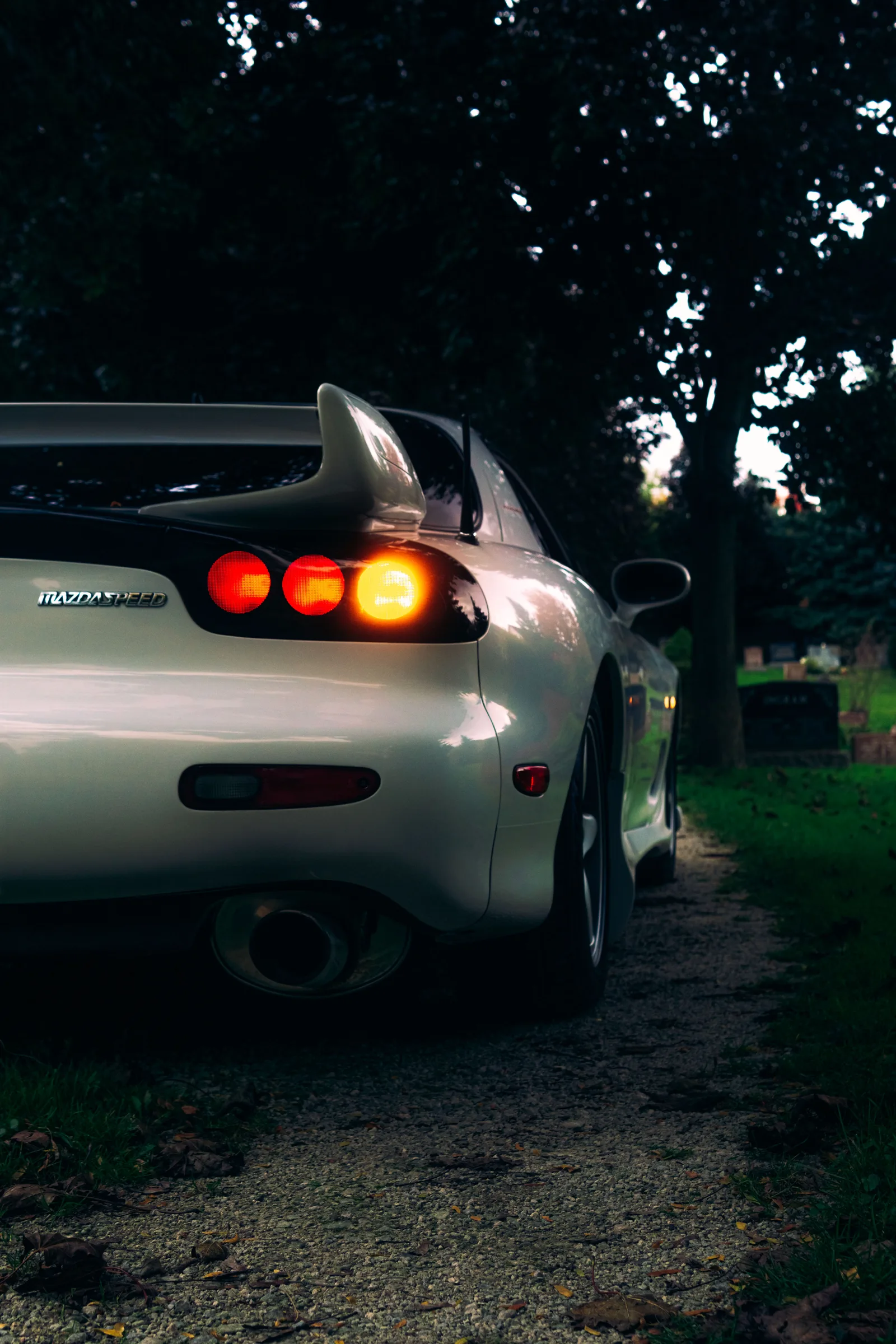
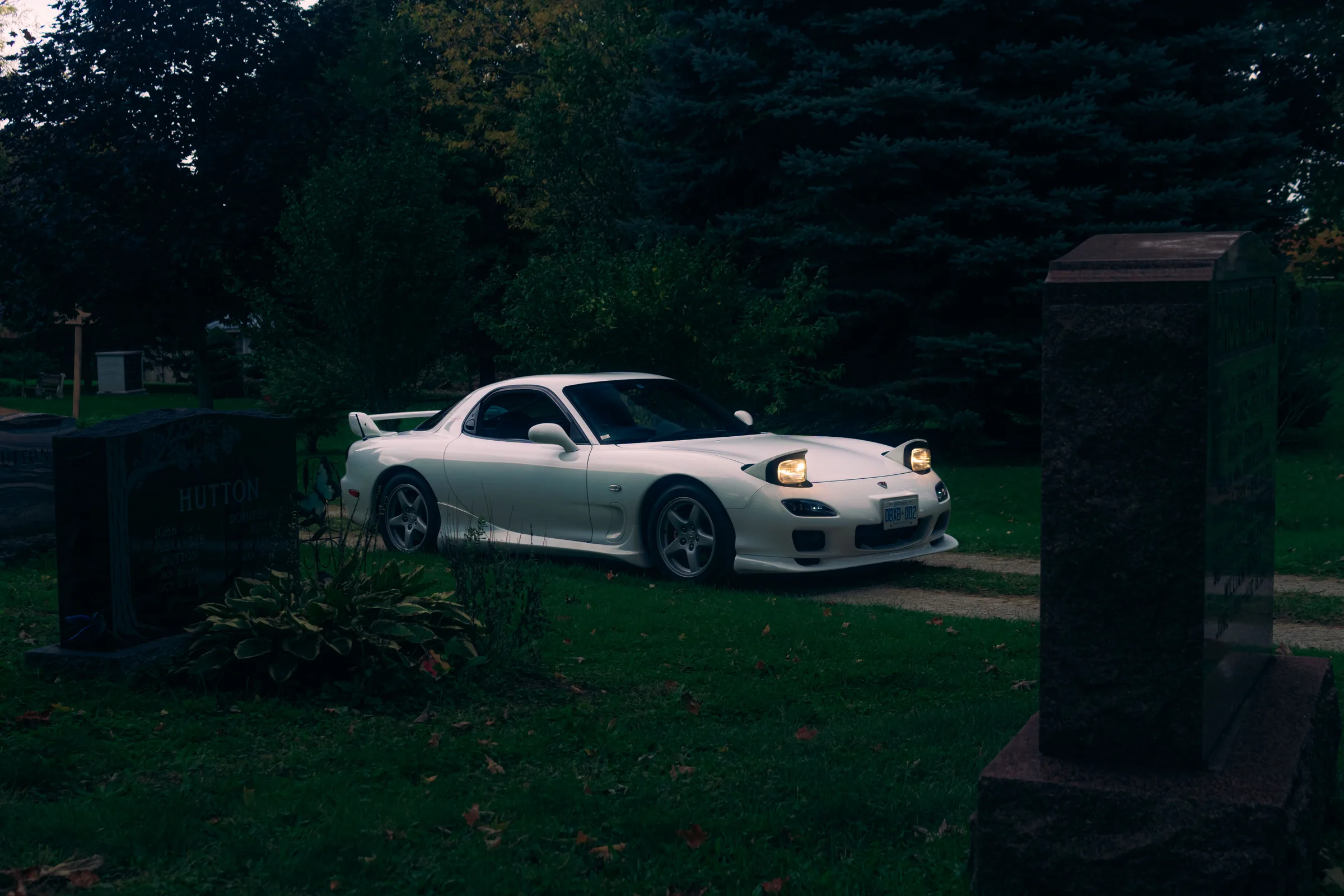
Sealed inside a climate controlled garage next to a Nismo 400R and a case of unopened Pokémon cards.
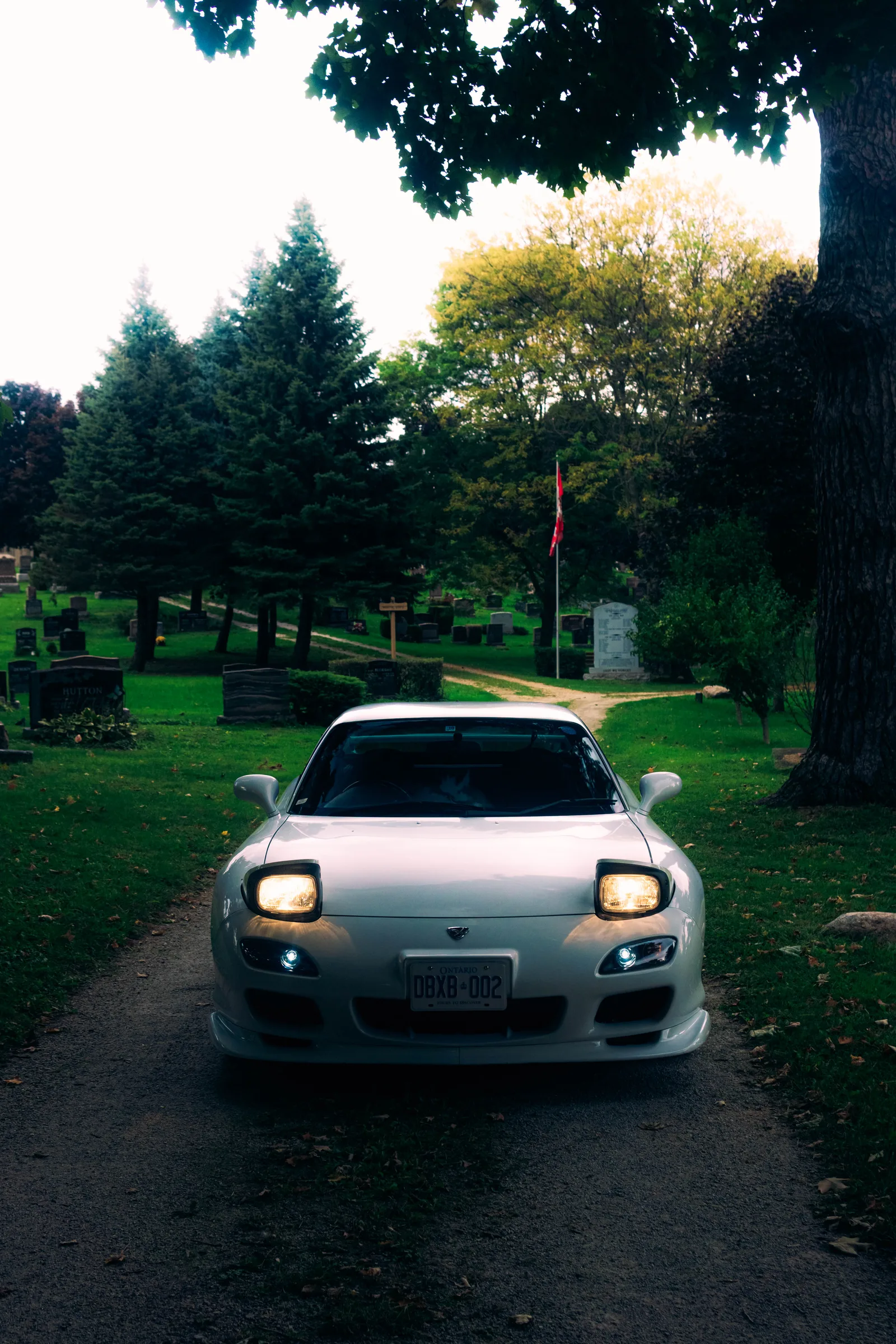
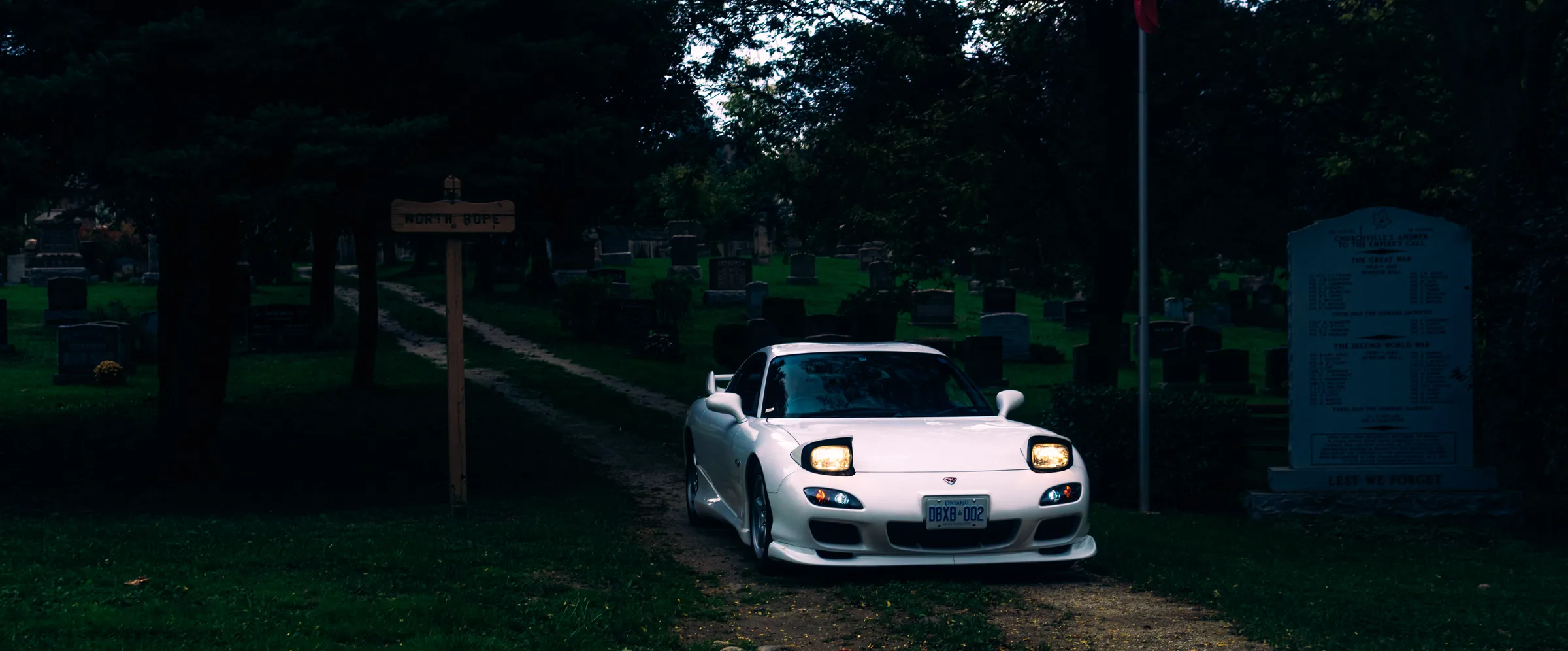
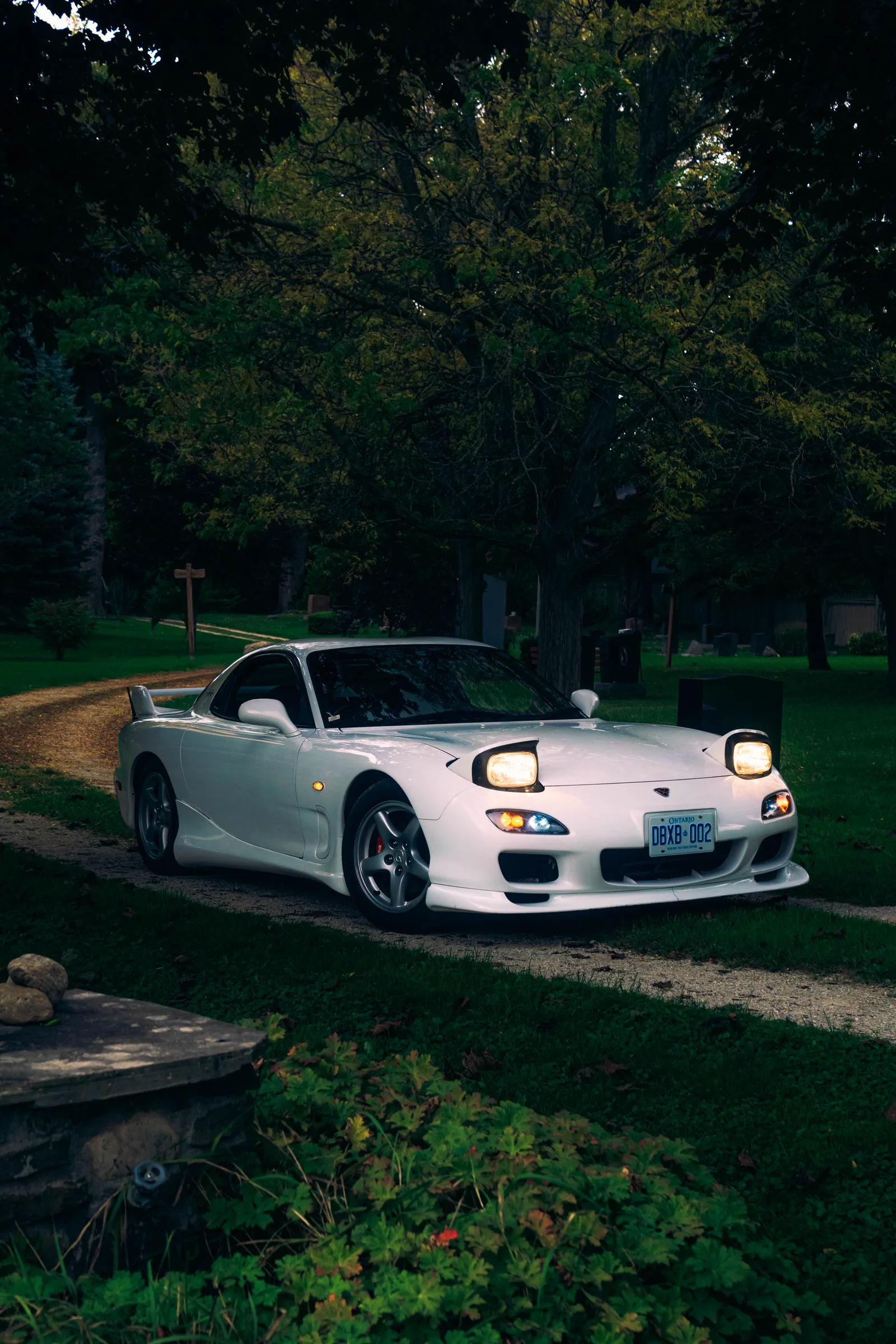
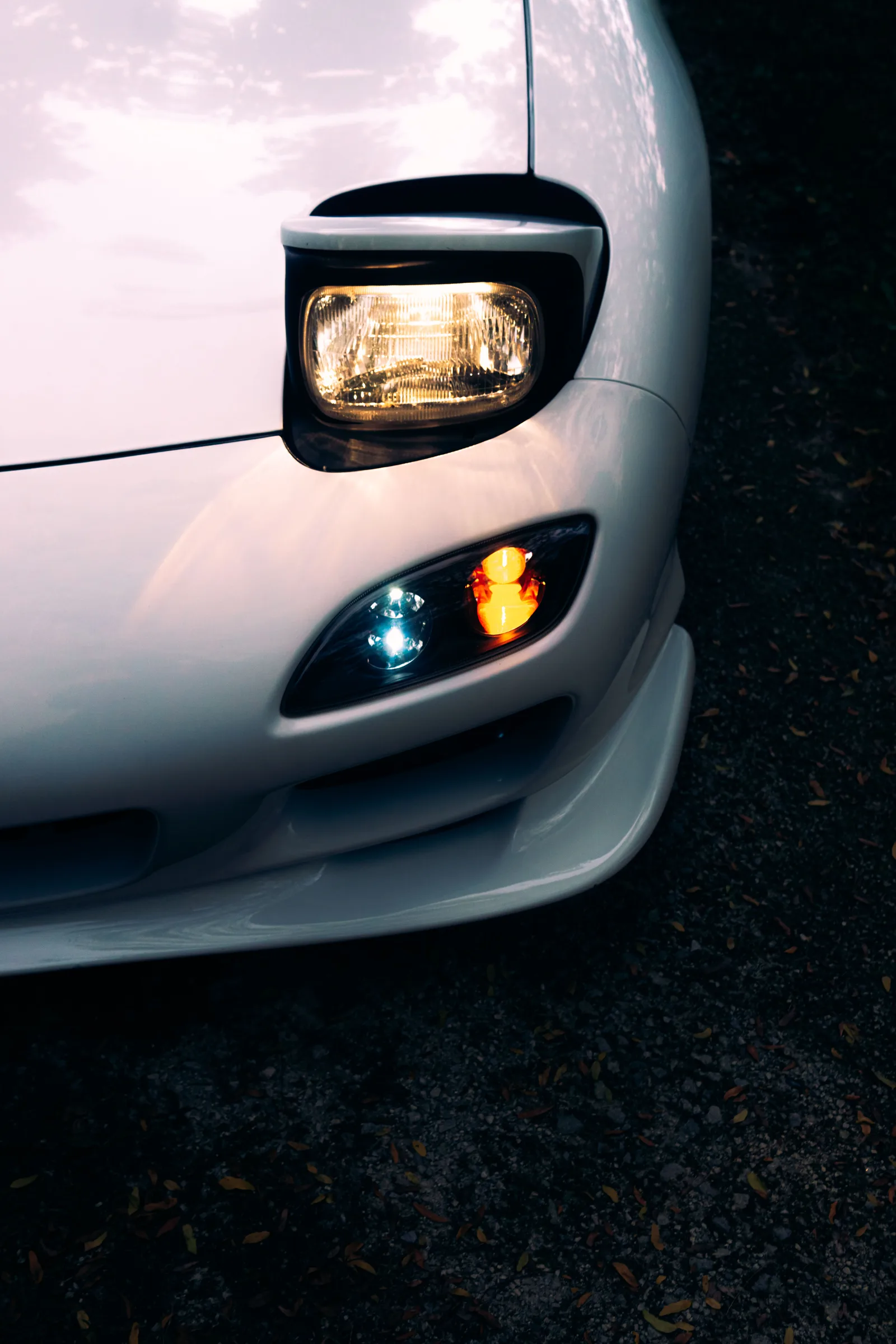
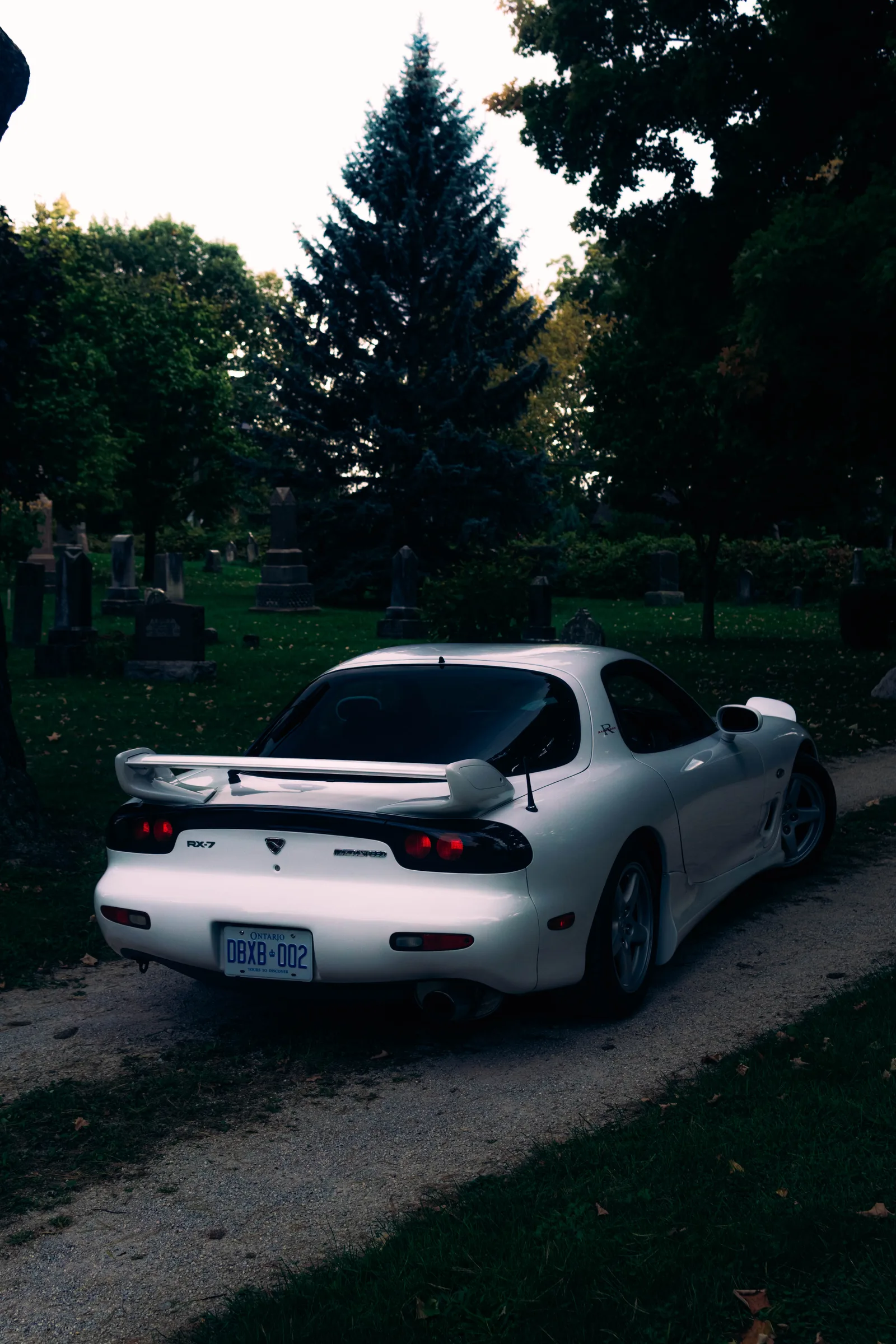
The Mazda RX-7 is a technological marvel. And I hate it. Not because it's an objectively bad car. Quite the opposite actually. The RX-7 is so good, so culturally significant, so wrapped in YouTube shorts of Hartnett media, Gran Turismo save files and USS auction and BaT site listings, that it has become completely unattainable to anyone under the age of 30 whose dad isn't the head honcho of a mysteriously funded venture capital firm.
The FD RX-7 was Mazda's rotary pinnacle before they diluted their rotary experiment with the RX8. While everyone else was building sports cars with sensible piston engines, Mazda looked at conventional yet archaic German engineering and said, "What if we made an engine that turns geometry into noise and pain?"
"NO LOWBALLERS. I KNOW WHAT I GOT."
The rotary engine is one of the greatest acts of mechanical rebellion ever to see a production assembly. No pistons. No reciprocating mass. Just triangles spinning around bound by mechanical witchcraft. And somehow it worked.
The twin-turbo 13B-REW remains one of the most fascinating engines ever installed in a production car. The chassis was lightweight. The engine quite literally hugs the firewall. Steering is as telepathic as 90s JDM technology allowed it to be. The proportion is probably what Frank Stephenson secretly and unashamedly has a kink fetish tied to.
The RX-7 wasn't just a car. It was a statement. And then it turned into an industry plant the way an Olivia Rodrigo song mysteriously receives airtime.
No pistons. No reciprocating mass. A Reuleaux triangle orbiting an epitrochoid, firing three times every turn. Press & hold the rotor to rev it toward the 8,000 rpm redline.
No pistons, no reciprocating mass — just triangles spinning around, bound by mechanical witchcraft. The 13B-REW hugs the firewall, the chassis stays light, and the steering is as telepathic as 90s JDM tech allowed.
An engine that turns geometry into noise and pain — and somehow it worked. So daring it still feels futuristic decades later, a testament to what happens when a company deletes "conventional" from their lexicon.
And unfortunately millennials have the biggest part to play. Every FD RX-7 exists in one of three conditions.
Sealed inside a climate controlled garage next to a Nismo 400R and a case of unopened Pokémon cards.
Being sold for the price of a brand new Toyota Harrier. If you think about it.
In a Rob Dahm super fan's garage, with a triple rotary 20B setup, mid-restoration since 2017.
It isn't expensive because it's rare. It's expensive because everyone agrees it's special. And once the internet agrees something is special, it's over.
Gen Z inherited an automotive landscape where every cool Japanese car has been transformed into a speculative asset worth thrice their net worth. The RX-7 is not an attainable dream car anymore, just like the regular S2000 fetching brand new ND RF Miata prices.
Best I can do is a Facebook Marketplace listing. Dude, what you've got is a 30 year old Mazda that occasionally consumes apex seals like they're a pack of darts for a light Chainsmoker. And yet the price keeps climbing.
END OF FILE // STAY CONNECTED
New Socket Jumper articles, sent when they publish.